Mental Wellness for Night Shift Workers: Taking Care of Yourself While You Take Care of Everyone Else
Working the night shift means keeping the world running in the dark, but it can take a heavy toll on your mind. From overcoming social isolation to managing the biological links between sleep debt and mood, explore practical strategies to protect your peace and guard your mental
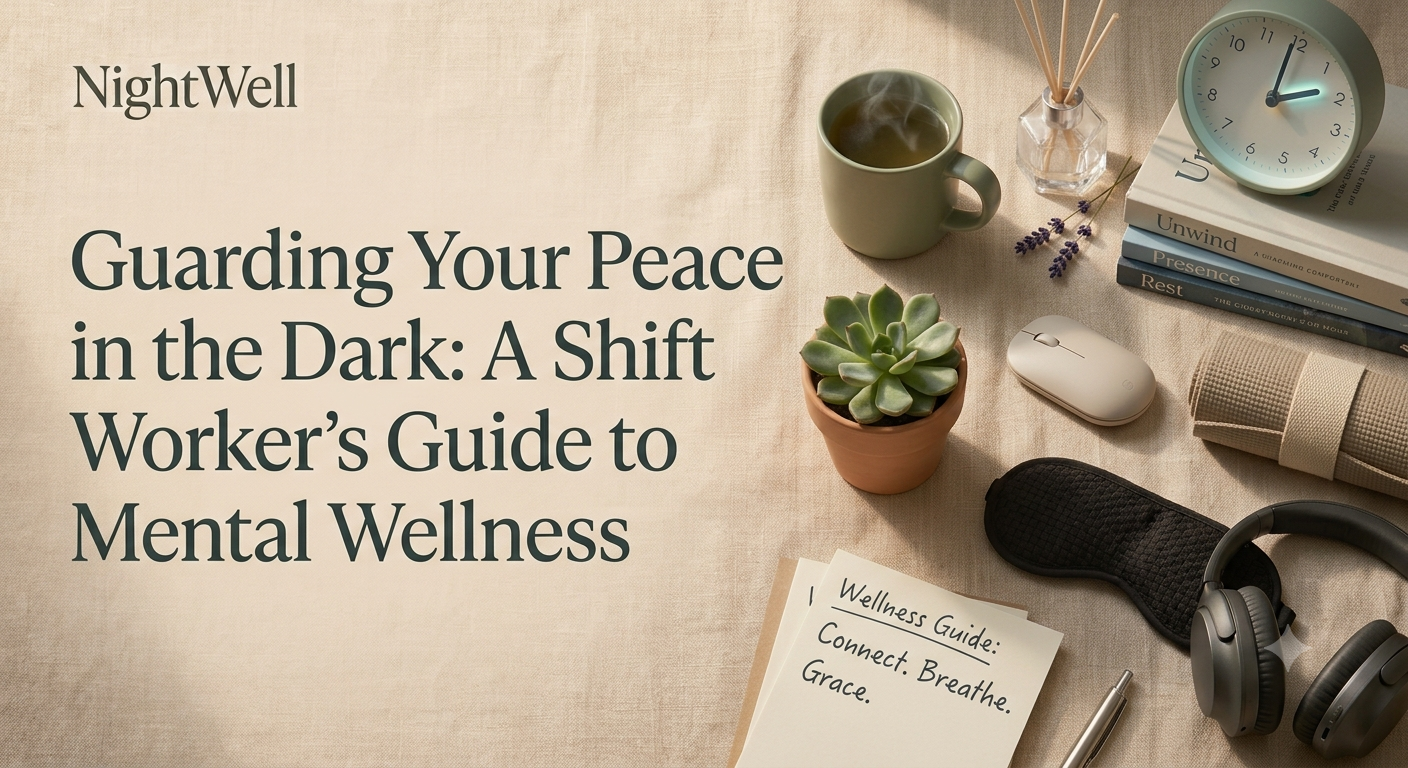
Guarding Your Peace in the Dark: A Shift Worker’s Guide to Mental Wellness
Working the night shift is a unique badge of honor. While the rest of the world sleeps, you are keeping the wheels turning—whether you are providing critical patient care in healthcare, keeping production lines moving, ensuring public safety, or managing essential logistics. It takes an incredible amount of strength, dedication, and resilience to keep the world running in the dark.
But let’s be entirely honest: the night shift can take a heavy toll on your mental wellness.
As someone who knows firsthand the silent struggles that happen between the hours of 11 PM and 7 AM, I understand what it feels like. It’s the creeping sense of isolation when you realize your schedule completely disconnects you from daytime society. It’s the overwhelming emotional and mental fatigue of staying sharp when your body is naturally screaming for sleep. And it's the cognitive fog that makes ordinary daily stresses, anxiety, or burnout feel twice as heavy as they would in the daylight.
Mental wellness on the night shift isn’t just a luxury—it is an absolute necessity. Here is how we can protect our peace, guard our minds, and support our emotional well-being when our schedule keeps us on a different clock.
1. The Isolation Factor: Staying Connected on a Delayed Clock
One of the biggest hurdles to night shift mental health is social isolation. When your peak waking hours are the exact hours the rest of the world is asleep, it’s easy to feel left out of family dinners, friendships, and daily life. Over time, this disconnect can lead to feelings of loneliness and alienation.
Create "Bridge" Check-ins: You don't need to be awake at the same time as everyone else to maintain relationships. Set up a routine for quick "bridge" conversations—like a 10-minute phone call during your morning commute while a family member is driving to work, or leaving voice notes that they can listen to later in the day.
Lean on Your Night Shift Community: The bonds formed on the night shift are incredibly tight because you are all in it together. Cultivate a supportive culture at your workplace. Check in on your coworkers, share a laugh during a calm moment, and talk openly about the unique challenges you all face.
2. Managing Stress and the Emotional "Second Wind"
When you are operating on a flipped schedule and dealing with sleep debt, the brain's emotional center becomes highly reactive. This means that an unexpected problem, a demanding workload, or a high-stress situation at 3:00 AM can trigger a much sharper anxiety or frustration response than it would if you were fully rested.
Practice "Micro-Resets": During a chaotic shift, find just two minutes to step away—even if it's just to a quiet break room, restroom, or your car. Close your eyes and take four deep, slow breaths. This simple action helps down-regulate your nervous system and stops the fight-or-flight response from taking over.
Separate Work from Home: When your shift ends, actively practice letting it go. Create a physical or mental ritual that signals the transition. Changing out of your work clothes the second you get home, taking a warm shower, or listening to an engaging podcast on the drive back can help your brain transition out of work mode.
3. The Biological Link Between Sleep and Mood
We cannot talk about mental wellness without talking about sleep. Chronic sleep deprivation directly disrupts the neurotransmitters responsible for regulating our mood, making us much more vulnerable to irritability, anxiety, and low mood.
Guard Your Rest Fiercely: Treat your daytime sleep schedule as a non-negotiable health priority. Just as daytime workers wouldn't tolerate people constantly interrupting their sleep at 2:00 AM, protect your daytime sleep by silencing your phone, using blackout curtains, and setting clear boundaries with friends and family.
Chase the Daylight: On your days off, make an intentional effort to step outside and get natural sunlight, even if it's just for 15 minutes. Light exposure is a natural mood lifter that helps reset your circadian rhythm and fights off the fatigue and blues that night shift workers often experience.
4. Give Yourself Radical Grace
We live in a world built for a 9-to-5 schedule, and trying to navigate life outside of that mold is challenging.
If you have a week where you feel exceptionally overwhelmed, tearful, or just completely exhausted, do not judge yourself. Your body and mind are working under unnatural circumstances. Acknowledging that this lifestyle is hard isn't a sign of weakness—it's a sign of profound self-awareness.
We’re In This Together
At NightWell, our goal is to build a community that truly understands the reality of the hours you keep. The work you do is vital, but your health, mind, and peace matter just as much as the job you perform. Take care of yourself tonight, protect your rest tomorrow, and remember that you are never walking the night shift alone.
How do you protect your mental health and stay connected with loved ones while working nights? Let’s support each other in the comments below!
Author: NightWell Team
As someone who works night shifts, I understand the unique challenges that come with staying healthy while the rest of the world sleeps. NightWell was created to help night shift workers build practical routines around eating, sleeping, hydration, and overall wellness.
The information in this article is based on personal experience, current wellness recommendations, and educational resources. It is intended for informational purposes only and should not replace professional medical advice. If you have specific health concerns or medical conditions, please consult your healthcare provider.
My hope is that these tips help you create healthier habits that fit your schedule—one small step at a time.
Take care of yourself, because you deserve it, too. 🌙
Join the NightWell Newsletter
Night shift tips, healthy recipes, sleep advice, meal plans, and weekly wellness delivered to your inbox.
Comments
Be the first to comment.
Sign in to leave a comment.